Archives
-
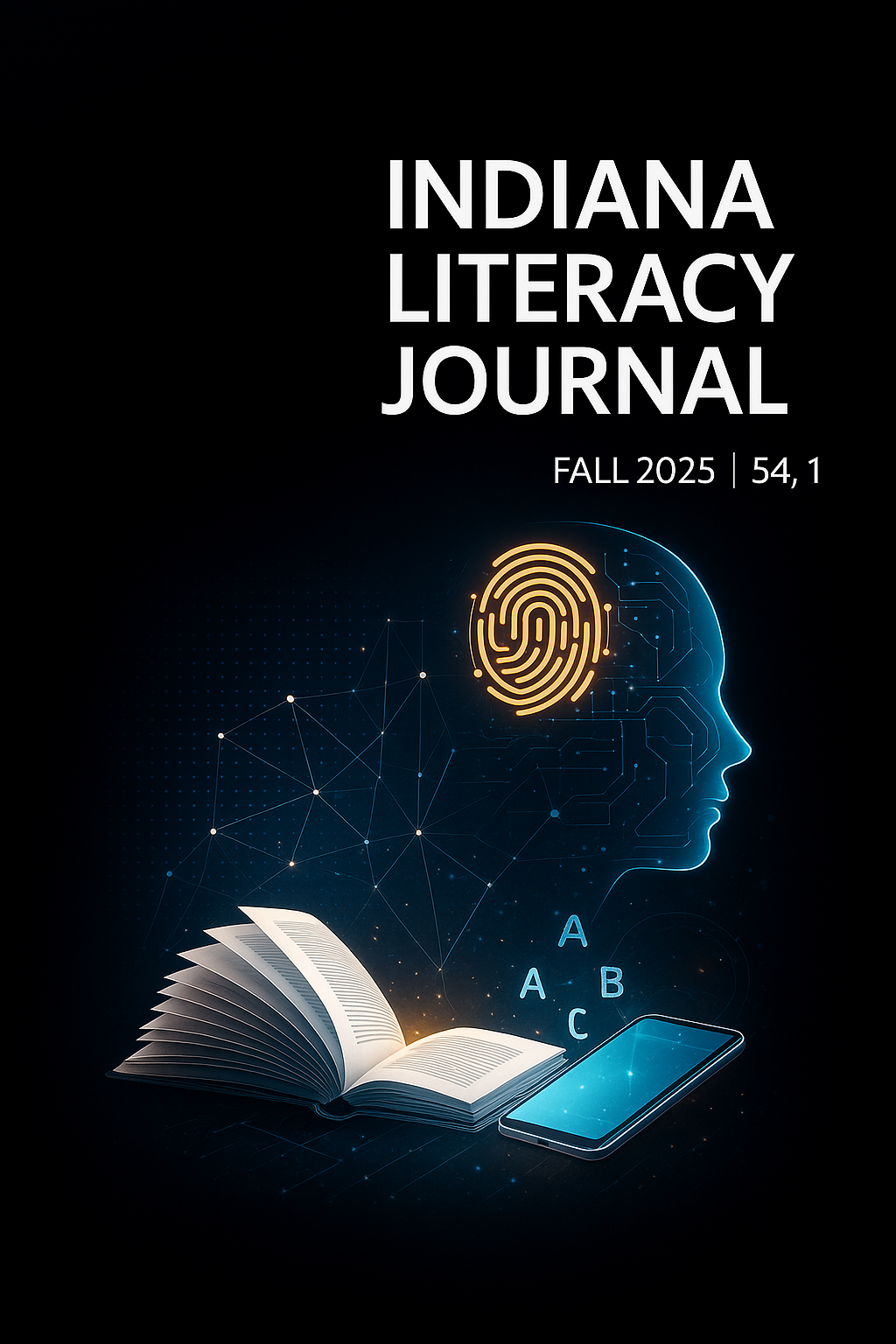
Building Readers and Writers for the 21st Century: Identity, Knowledge and Digital Literacy
Vol. 54 No. 1 (2025)Our state of Indiana has been celebrating growth in reading assessment scores and third grade students reading proficiency rates, as well we should be. This is indeed a time to recognize the hard work that teachers, instructional coaches, and state support personnel have been investing in refining literacy instruction to be more aligned with the Science of Reading. However, literacy researchers have raised the alarm that Science of Reading mandates can be misapplied or misunderstood in ways that can hinder students’ development as readers and writers (Tierney & Pearson, 2024). Our issue helps us consider not just the growth in word recognition that readers must make to become literate individuals, but also the other areas that impact reading and writing growth not mentioned or as easily enforced in curriculums. These include areas that impact language development and knowledge building, as well as motivations of readers and writers through their sense of identity and affiliation with literacy.
-
Vol. 53 No. 2 (2025)
The Spring 2025 issue of the Indiana Literacy Journal continues our focus on evidence based practices. Our featured article by Walski, Pigozzi, and Butler examines leveled texts vs. decodable texts and their inherent strengths and limitations in literacy development. Williams-Hines looks at instructional coaching through the lens of culturally relevant coaching and supporting underrepresented and marginalized teachers. Our invited columns dig deeper into Science of Reading. Instructional Coach Melissa Gill invites you to join the ripples of change happening in Indiana with some key action steps to make it happen. First grade teacher Paige Talian invites you into her classroom and shares how she’s integrated evidence-based practices across phonemic awareness, phonics, fluency, vocabulary, and comprehension.